
Occupational Therapy for Cerebral Palsy
Cerebral palsy affects every child differently — from subtle differences in how one hand works to complex physical needs that affect movement, posture, eating and communication. Occupational therapy helps children with cerebral palsy take part as fully and comfortably as possible in the things they need and want to do.
That can mean building hand skills for play and self-care, finding easier ways to get dressed or eat, or making sure your child has the right wheelchair, seating and sleep positioning. We work closely with families and with the physiotherapists, speech pathologists, teachers and doctors already in your child’s team.
How occupational therapy can help
- Hand function and using both hands together for play, self-care and schoolwork
- Daily living skills — dressing, toileting, washing, grooming and mealtimes — with adapted techniques or equipment where needed
- Wheelchair and seating assessments, including manual and powered wheelchairs
- Sleep systems, mattresses and 24-hour positioning
- Bathroom and toileting equipment such as commode and bath chairs
- Car seats and transport, access ramps and hoisting
- NDIS assistive technology reports and functional capacity assessments
How we work
We start by understanding your child’s abilities, routines and goals, and the places where they spend their day — home, school, the car and the community. Therapy sessions are practical and goal-focused, and many happen at home or school so that we can work on real tasks in the real environment.
When equipment is needed, we assess your child’s needs, arrange trials with suppliers, complete the reports your NDIS plan requires and check the fit once the equipment arrives.
Our experience
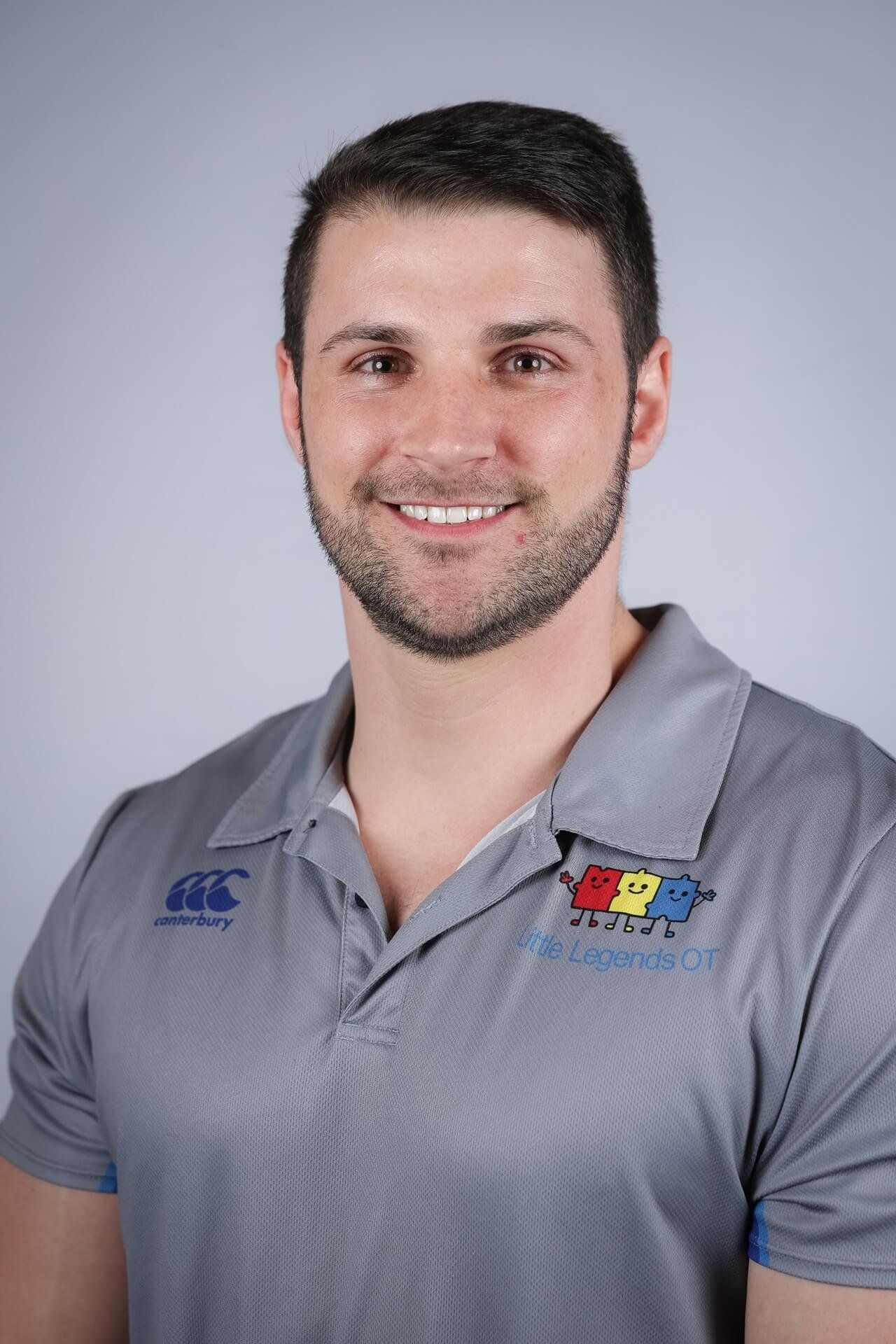
Luke has primarily worked with children who have a sensory impairment coupled with a range of complex diagnoses, most frequently cerebral palsy and autism, including through his work at the Royal Institute for Deaf and Blind Children. He also has experience communicating with children who use communication devices such as Proloquo2Go, Liberator and Grid 3.
Services that can help
Therapy is always tailored to your child, but these are the services families most often use.
-
Assistive Technology Consultation
Finding, trialling and prescribing the right equipment — from wheelchairs and seating to sleep systems, bathroom equipment and ramps.
Learn more -
ADL Specific Training
Independence in the routines of daily life — dressing, toileting, washing, grooming, mealtimes and preparing food.
Learn more -
NDIS Report Writing
Clear, evidence-based reports for NDIS access, plan reviews and progress reporting, written by the therapist who knows your child.
Learn more -
Gross Motor Skills Development
Confidence with the big movements — balance, ball skills, riding a bike and coordinating the whole body for play and sport.
Learn more
Cerebral palsy: your questions
What is the difference between occupational therapy and physiotherapy for cerebral palsy?
Both are often part of a child’s team. Physiotherapy focuses mainly on movement, strength and mobility. Occupational therapy focuses on everyday activities — hand use, self-care, play, school participation — and on the equipment and environmental changes that support them. We are happy to work alongside your child’s physiotherapist.
Can you help us get equipment funded through the NDIS?
Yes. We assess your child’s needs, trial suitable equipment and prepare the assistive technology report and quote request for your NDIS plan. The NDIS makes the funding decision.
Do you come to our home?
Yes. Seating, positioning, bathroom and access equipment is best assessed where it will be used, so these sessions are usually mobile. We also see children at school and via telehealth.
Ready to get started?
Tell us a little about your child and what you’d like help with, and we’ll be in touch to talk through the next steps.