Developmental Coordination Disorder (DCD)
Developmental coordination disorder (DCD), sometimes called dyspraxia, affects how children learn and plan movements. Children with DCD may seem clumsy, take longer to learn to ride a bike or catch a ball, find handwriting slow and tiring, or struggle with buttons, shoelaces and cutlery — even though they understand exactly what they are trying to do.
These difficulties can affect confidence as well as skills, particularly at school and in sport. Occupational therapy breaks tasks down, teaches strategies for planning movements, and practises the skills your child actually wants and needs to master.
How occupational therapy can help
- Motor planning and sequencing — working out the steps of a movement or task
- Balance, ball skills, riding a bike and playground games
- Handwriting — pencil grasp, letter formation, speed and fatigue
- Self-care tasks such as buttons, zips, shoelaces and using cutlery
- Cutting with scissors and other fine motor tasks at school
- Confidence to join in with sport, PE and play
What sessions look like
We assess your child’s motor skills and talk with you about the tasks that matter most — often handwriting, a particular sport, or getting dressed independently. Sessions focus on those real tasks, graded so your child experiences success and then builds on it.
We practise where the skills are needed: in the park, in the school playground, at the table at home, and we give you and your child’s teacher strategies to use in between.
Our experience
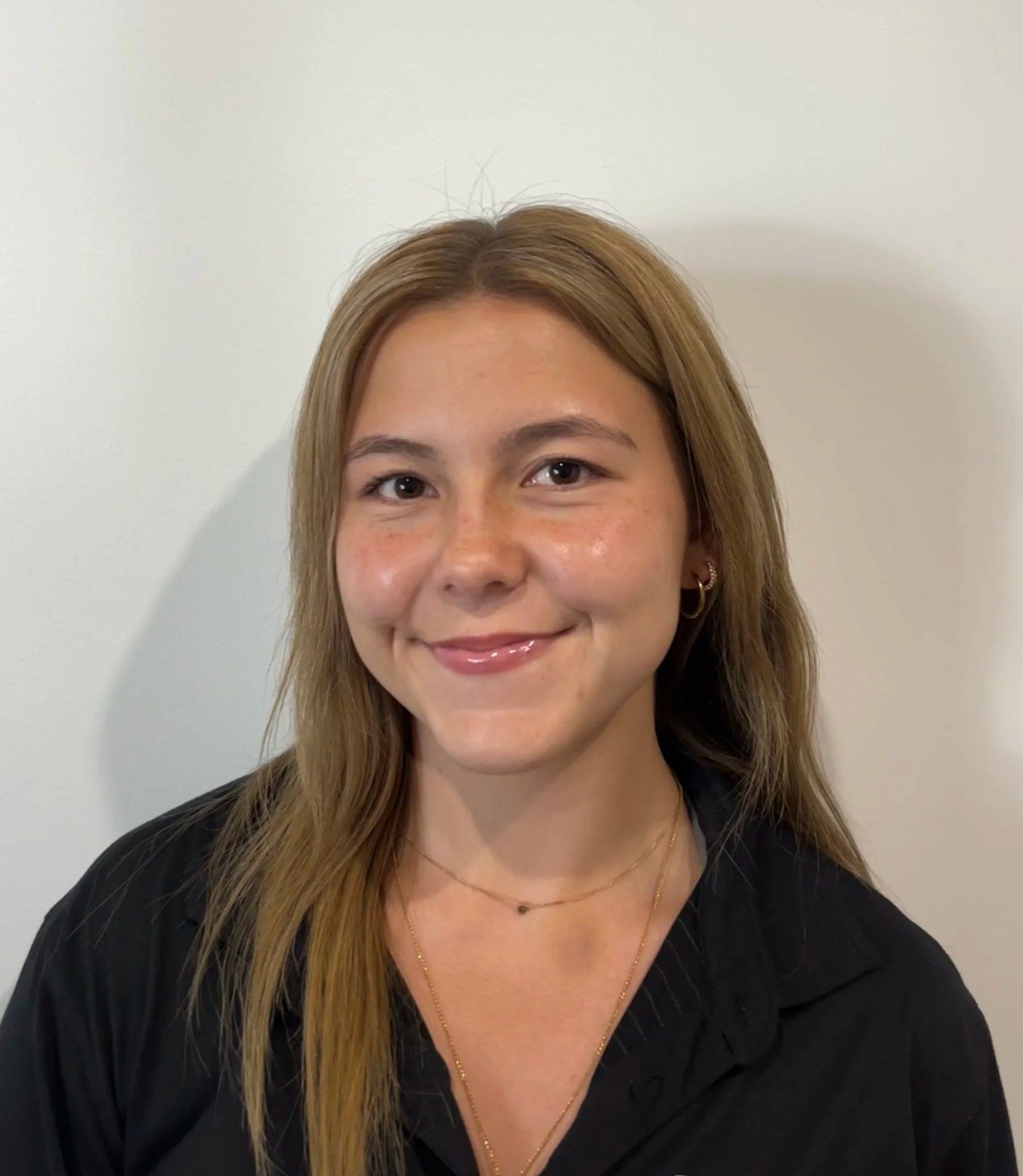
Sienna has worked with children and adolescents with developmental coordination disorder, as well as autism, ADHD and learning disabilities, across a variety of settings. She enjoys supporting children to build the skills and confidence they need to participate in everyday life.
Services that can help
Therapy is always tailored to your child, but these are the services families most often use.
-
Gross Motor Skills Development
Confidence with the big movements — balance, ball skills, riding a bike and coordinating the whole body for play and sport.
Learn more -
Fine Motor Skills Development
Building the small, precise hand movements children need for dressing, eating, cutting, drawing and classroom tasks.
Learn more -
Handwriting
Neat, comfortable and fast enough handwriting — from pencil grasp and letter formation to speed, spacing and fatigue.
Learn more -
Assessment
A clear picture of your child’s strengths and the areas where they need support, as the starting point for therapy or for NDIS planning.
Learn more
DCD and dyspraxia: your questions
How is DCD diagnosed?
DCD is diagnosed by a doctor, usually a paediatrician. An occupational therapy assessment of your child’s motor skills is often part of that process, and we can provide a report to share with your child’s doctor.
Is dyspraxia the same as DCD?
The terms are often used interchangeably. Developmental coordination disorder is the formal diagnostic term used by doctors in Australia; dyspraxia is a common everyday name for the same difficulties with learning and planning movements.
Will my child grow out of it?
Coordination difficulties often continue without support, but children can learn skills and strategies that make everyday tasks much easier. The earlier they get support, the more confident they tend to be at school and in sport.
Ready to get started?
Tell us a little about your child and what you’d like help with, and we’ll be in touch to talk through the next steps.